Behind the Beat
By Ella Rum
Ella has resubmitted her favourite article of the year slightly adapted so she can focus on her UCAS exams
It’s been a long day, you put on your headphones, your favourite song comes on. You smile, feel the rush of a good tune. And at that moment, the rest of the world fades to the periphery. Music’s magical essence puts us all under a spell of dance and shimmering lights. The universality of music makes it an excellent agent for expression and communication, transcending language barriers and culture. It’s no secret that music has a great impact on our lives: its influence extends from prenatal development to adolescence, to the obstacles of aging, impacting cognitive, emotional and social well-being. This is also evident in today’s enormous popularity of artists, the blasting of Christmas music every December – a tradition ingrained in society, and annual events like the Grammy’s. Since the beginning of time, music has had the undeniable ability to amplify our emotions, both positive and negative. Why else would directors choose to include a film soundtrack? It manipulates your emotions. The significance of this art form had already been acknowledged by the Ancient Greeks: Plato himself once said, “ Music gives a soul to the universe, wings to the mind, flight to the imagination, and life to everything.” But how can we explain the powerful effect music elicits on the mind? How can something intangible make you feel so much? When it comes to complexity of the human brain, the answer is never straightforward.
The Beat
From Beethoven in the late 18th Century to Ariana Grande in the 21st, music has always been a prominent part of our lives, though has mutated and been reshaped over time. Music is multifaceted: it is made up of layers, including pitch, rhythm, dynamics and more. The Autonomic Nervous System has two primary pathways and are involved in homeostasis (self-regulation e.g. heart rate and breathing). Naturally, our bodies try to synchronize these internal rhythms with external stimuli, like music; this is known as ‘Rhythmic Entrainment’. On the micro level, ‘Neural Entrainment’ is an example of the internal synchronization of brainwave activity where oscillations align to the frequency of melodic beats. Songs that have faster tempos (over 120 bpm) are inclined to increase heart rate and adrenaline due to triggering the sympathetic pathway, which tends to make us feel energised, excited or even slightly anxious. Contrastingly, feelings of sadness, peace or reflection are induced by slower songs (under 76 bpm) which decrease heart rate, muscle tension and cortisol levels (the stress hormone) stimulated by the parasympathetic pathway. Famous examples of songs include: “Blinding Lights” by The Weeknd – 171 bpm and “Someone Like You" by Adele (67 bpm). Besides the tempo, other elements also influence the way our bodies react to harmonies. For instance, the Zeigarnik Effect is the concept that it is easier for the brain to remember incomplete sequences than completed ones which subconsciously makes us need closure. This triggers an “earworm” which results in the brain replaying the song on loop. This is one of the major psychological reasons why music can be so ‘catchy’.
The Brain
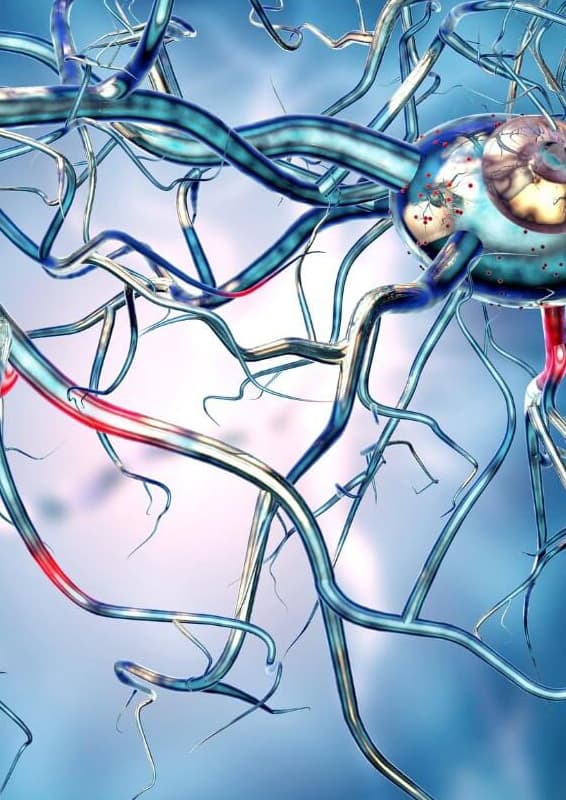
Music can run through our veins. Scientifically speaking, blood flow is increased to the brain regions that control emotion. Deciphering sound is complicated, but this is a limited glimpse into the science behind the beat. Music penetrates our hearts because it has links with limbic system (the brains emotional hub, specifically the mesolimbic pathway controlling the brains reward system, encouraging positive emotions). The hippocampus and amygdala are parts of the brain that play a major role in triggering emotional responses through memory. Simultaneously, the auditory cortex analyses the composition of sound and the prefrontal cortex controls our behaviour and decision-making when we take part in musical activities. Together with other parts of the brain like the Basal Ganglia & Motor Cortex, these structures process the beat and involuntarily cause physical responses like foot-tapping. The marvel, “emotional contagion” describes how we are infected by songs, catching the emotions they bear. This is seen when we listen to upbeat songs that make us feel pleased and melancholic pieces that can conjure introspection. Finally, the release of dopamine (a neurotransmitter that kindles delight, motivation and movement), is often released during climactic musical moments and even in the parts leading up to them. That’s why your brain rewards you with the feeling of a subtle rush when you hear the starting notes of a familiar song – it knows best part is coming!
Medical Impacts:
Why is this important? You may ask. Now that we’ve tuned into the brains response to music, we can explore its implications in modern medicine. Music is a non-pharmacological intervention that seems promising in clinical advances, showing clear potential for both physical and mental health. Due to its intricate relationship with our brains, music may be revolutionary for individuals suffering neurological disorders like Parkinson’s and Alzheimer’s disease; Dementia for instance is when the brain regions synchronisation deteriorates and Magnetoencephalography (MEG) scans show that music can rewire these damaged networks. Structured by individual requirements and cultural background, music therapy sessions can improve motor skills, memory, attention, speech, socialisation (due to relase of the ‘love hormone’ oxytocin, a neuropeptide that when stimulated can increase social bonding) and mood. This nurtures neuroplasticity (the brain’s ability to structurally modify in response to experiences or injuries) and supports cognitive rehabilitation. Research has demonstrated the power of melody and how familiar sounds have revived the movement of former dancers – this is just one example of how music has optimized therapeutic application in healthcare. Studies revealed by the ‘Dementia Community’ revealed that consistent music listening reduces the risk of developing dementia by 39%. Music also provides emotional support and ultimately promotes tranquillity: it sparks the release of endorphins which perform as the body's natural painkiller, generating feelings of euphoria and raising pain thresholds. This is imperative for pain management as it dilutes patients perception of pain, distracting them and thus assisting those suffering from various psychological strains such as trauma, emotional distress and grief. It can also accommodate the emotional needs of patients undergoing intense treatment. Additionally, music therapy can reduce anxiety and depression, triggering a crucial improvement in quality of life. This is seen via the MELODIC (Music therapy Embedded in the Life Of Dementia Inpatient Care) initiative backed by the NHS that curates personalised music care plans to reduce agitation and suffering in dementia patients.
Social Impacts:
Mother’s sing lullabies to their newborns, children learn speech through memorable melodies like ‘Mary had a Little Lamb’, we sing ‘Happy Birthday’ to mark the completion of another year of living, we dance to celebrate our wedding day and may play music on the deathbeds of our loved ones. It’s the cycle of life, and music echoes in the background of every milestone - “Music is the soundtrack of your life.” Dick Clark once said. Music’s emotional resonance makes it the ideal tool to grasp our attention. Because music is uniquely palpable, it can bond people and cultivate a sense of unity and belonging. I know I’ve definitely made friends through shared interests in music; you could create friendships through the experience of being in a choir, band, or in my case, just having a love for karaoke! Music enables freedom of expression and can be extremely cathartic and liberating in releasing any pent up feelings that you may have. Besides alleviating stress, music is clearly a universal language for communication; it gives us an outlet to convey our thoughts and feelings but also to relate to others or feel heard through lyricism. Also, learning an instrument exercises the brain, causing it to structurally adapt and enhance the way we process information. Basically, music makes you smarter!
Nostalgia:
Neurology and nostalgia “collab” all the time. Between the ages of 12 and 22, our brains develop quickly and combined with the effect of growth hormones, music tends to leave a mark on our teenage years. Our brains are stimulated by different elements of music’s composition, this means that the more we replay a song, the more it gets ingrained into us and gives us neurochemical bliss. Did you know that your favourite songs on repeat trigger some of the same neurotransmitters that narcotic drugs chase after – turns out they’re both highly addictive! As a result, specific memories get attached to specific tunes, that are reignited in the later moments when they are heard. Even as the significance of a memory fades, an ‘emotional afterglow’ is tagged to the music that lingers, like a letter from the past captured in a bottle, thrown out to sea and resurfacing in a surge of the tides of time. This is known as ‘episodic memory’, when a song heard during a life event will evoke the same feelings later. I’m lucky to have been able to attend a concert; in the months leading to the event, I listened to the same songs on repeat, many that accompanied an intense period of studying, exams and thus emotions. Now, when I listen to those songs, I am transported back to a dim-lit, hazy recollection of those times. In retrospect, I see an innocent, romanticised era. I feel nostalgic.
I’m sure you have a favourite song. A song you listen to for motivation, for a confidence boost. A song that makes you reminisce. A song that makes you melancholy or one that simply makes you merry. Well, the next time you put on your headphones, perhaps you will recognise the reasons it affects you in this way. The beauty in the art of song is that it is a part of our identity and gifts us comfort when we need it most. So I ask you, what is the soundtrack to your life right now?